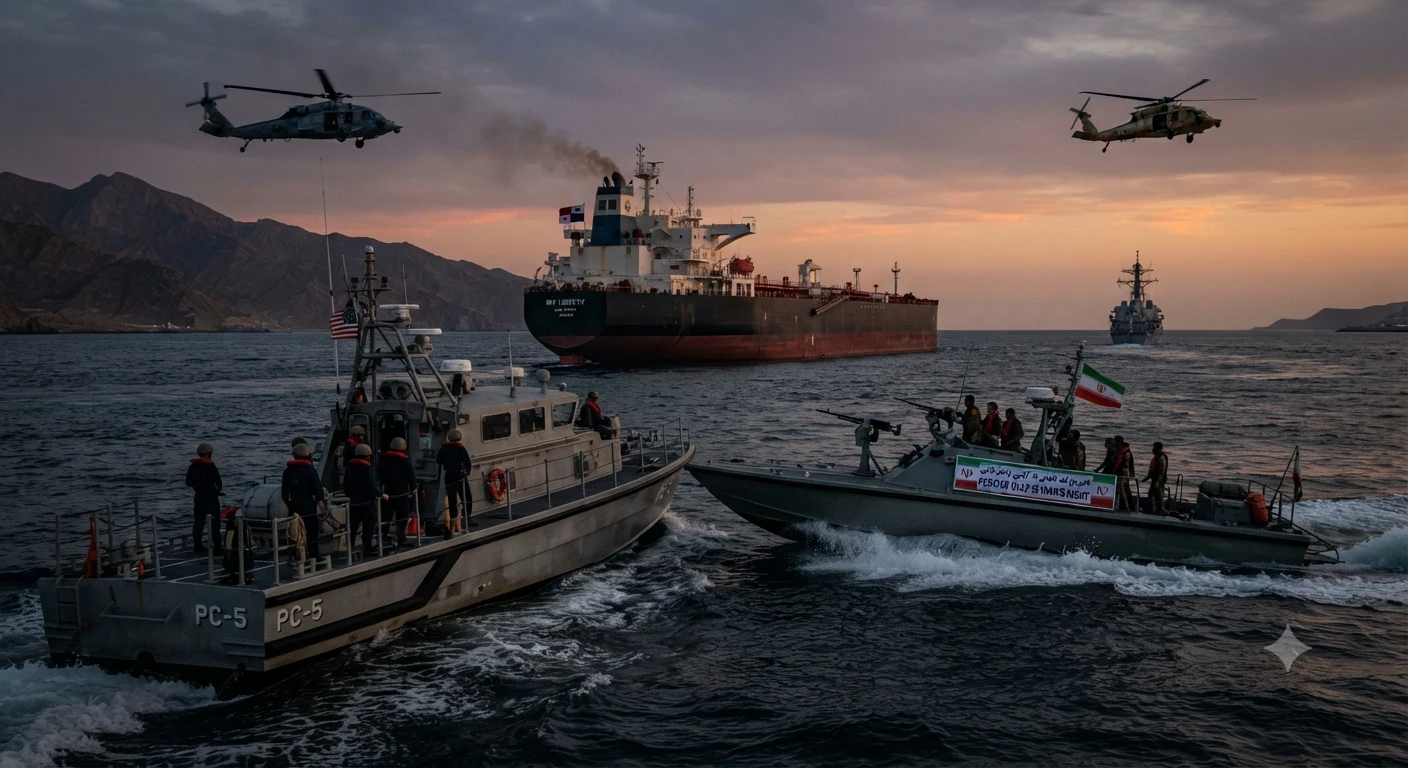
The ongoing conflict between the United States and Iran has centered on control of the Strait of Hormuz, a vital maritime corridor through which approximately 20% of the world’s oil and gas supplies pass. Despite renewed U.S. aerial bombardments this week, Iran continues to exert significant influence over the waterway, utilizing asymmetric tactics such as drone and missile threats to disrupt commercial shipping.
Insurance providers, including Lloyd’s of London, have responded to the instability by either halting coverage for vessels transiting the strait or imposing prohibitively expensive premiums. Furthermore, the Islamic Revolutionary Guard Corps (IRGC) has demonstrated the capability to strike targets across Gulf states, damaging U.S. military bases and undermining the perception of regional security guaranteed by American presence.
While both the Trump administration and the Iranian leadership have expressed a desire to avoid further escalation—with U.S. military operations already estimated to cost over US$100 billion—the situation remains volatile. Analysts suggest that hardliners in Tehran, currently galvanized by the death of Supreme Leader Ali Khamenei, may be prepared for a prolonged conflict. Conversely, there is concern that President Trump, seeking to project strength, might resort to targeting Iranian civilian infrastructure, such as desalination and power plants. Such an escalation could invite retaliatory strikes on energy facilities throughout the Gulf, potentially causing severe global economic disruption.
Military experts emphasize that aerial campaigns have historically failed to achieve regime change or secure territory. A ground invasion, which would require a massive force to navigate Iran's vast and mountainous geography, is viewed as logistically unfeasible and likely to result in a protracted, disastrous conflict. Additionally, Iran’s advanced drone capabilities and industrial military capacity have created a more balanced confrontation than traditional power dynamics might suggest.
As the conflict persists, the risk of further regional instability grows, including potential escalations involving Houthi forces near the Bab el-Mandeb Strait. While accepting Iranian control over the Strait of Hormuz sets a difficult precedent, some observers argue it may represent the most viable path to avoiding a catastrophic expansion of the war.
Source: The Conversation
No comments yet. Be the first to share your thoughts.